
Onsen vs Sento: What's Actually the Difference?
I get asked this a lot, and it's a fair question — from the outside, an onsen and a sento can look exactly the same. Big shared bath, locker room, someone telling you to wash before you get in. But legally they're two completely different things, and mixing them up is way more common than people think.
And honestly, it makes total sense that people mix them up — nothing about the outside of either building tells you which one you're walking into. So here's the explanation, from someone who got certified as an Onsen Sommelier specifically so I'd stop getting this half right myself.
What Is an Onsen?
An onsen is a natural hot spring. Full stop — not "has hot spring vibes," actually a hot spring. Japan has a whole law about it: to legally count as onsen, water has to come out of the ground at 25°C or hotter, or hit a specific mineral concentration. That's the bar, and a place either clears it or it doesn't.
That mineral content is honestly the fun part. Depending on the source, the water can feel silky, faintly sulfuric, or slightly metallic, and different types are said to do different things for your skin or circulation. Whether or not you buy every health claim on the sign, the water itself genuinely feels different from a regular bath — that part isn't marketing.
What Is a Sento?
A sento is a public bathhouse — heated tap water, no spring, no minerals, just a big well-run tub for the whole neighborhood.
Here's a fun one: sento prices are set by the government. Not by the owner — an actual prefectural committee meets and decides what a bath is allowed to cost that year. Right now in Kanagawa, that number is ¥570 for an adult. I love that this is a real bureaucratic function somewhere.
Nobody's going because they lack a bathtub at home anymore, either — nearly every house in Japan has one now. People go because it's just what you do: bigger tub, better heat, maybe a sauna, and you're out the door forty minutes later feeling like a new person.
How to Actually Tell Them Apart
Good news — you almost never have to guess. "Onsen" isn't just a vibe word here, it's a legally protected one. A facility can't slap "100% natural onsen" on the sign unless it actually is one; doing so is a real violation of Japan's Unfair Competition Prevention Act. So if the sign says 温泉, it's telling the truth.
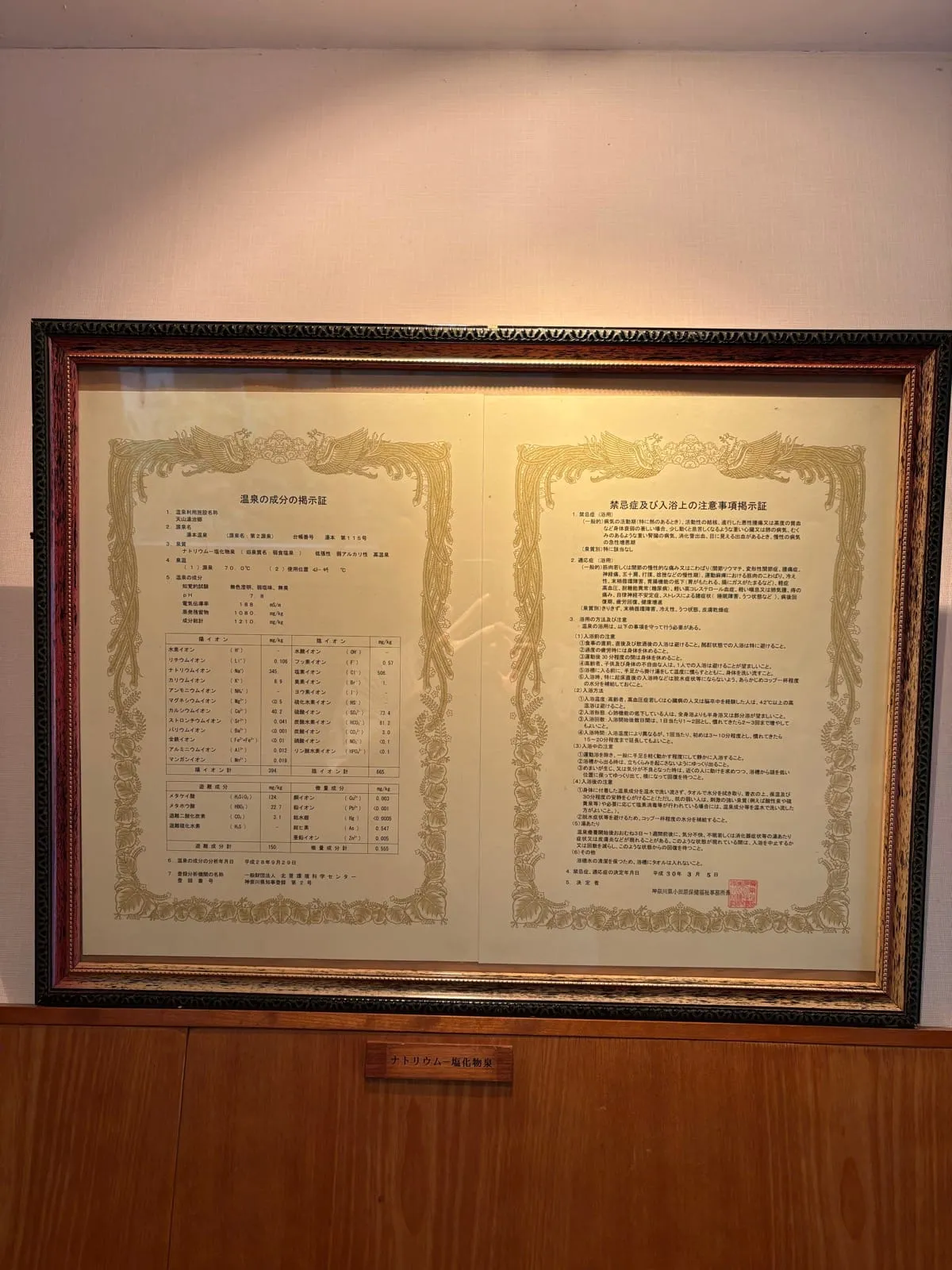
If you want actual proof, look for the framed water analysis certificate near the entrance. Every real onsen has to post one, listing the source temperature and full mineral breakdown.
How Locals Actually Use Them
This is the part most guides skip, and honestly it's the more useful way to think about the whole thing.
A sento is a habit. You don't plan a trip to one, you just go, the way you'd duck into your usual coffee shop. Students, office workers, grandparents who've been going to the same one for thirty years — nobody's there because it's an event.
An onsen is more of an occasion. A weekend at a ryokan, a stop on a road trip, a bath with a view of the mountains you drove two hours to see. It's the destination, not something on the way to one.
Except the line isn't as clean as that makes it sound, because onsen aren't always some faraway destination — plenty of neighborhoods just happen to sit on a real mineral spring. When that's the case, locals treat their onsen exactly like a neighborhood sento: going without really thinking about it, a few times a year, nothing ceremonial about it. The water's special. The relationship with it doesn't have to be.
What About Tattoos?
This one gets its own section because "onsen says no, sento says yes" isn't close to the full story.
The government surveyed around 600 hotels and ryokan back in 2015 and found just over half flat-out refuse guests with tattoos, about a third are fine with it, and the rest land somewhere in between — a cover-up sticker, or a private bath instead of the shared one. In 2016, and again more formally in 2017, the government told the industry that turning people away for tattoos alone wasn't really appropriate. That guidance doesn't carry the force of law, though, and old habits are stubborn — around half of Japanese people surveyed still say tattoos make them personally uncomfortable at a bath. So the official stance has shifted, the culture hasn't fully caught up, and the real answer depends entirely on which door you're walking through.
Sento tend to be the more relaxed of the two — Japan's Public Bathhouses Act only allows turning someone away for things like contagious illness, not tattoos specifically, so the legal ground for refusing is thinner there than at a private onsen or ryokan. But "tend to" is doing some work in that sentence, so don't assume either way.
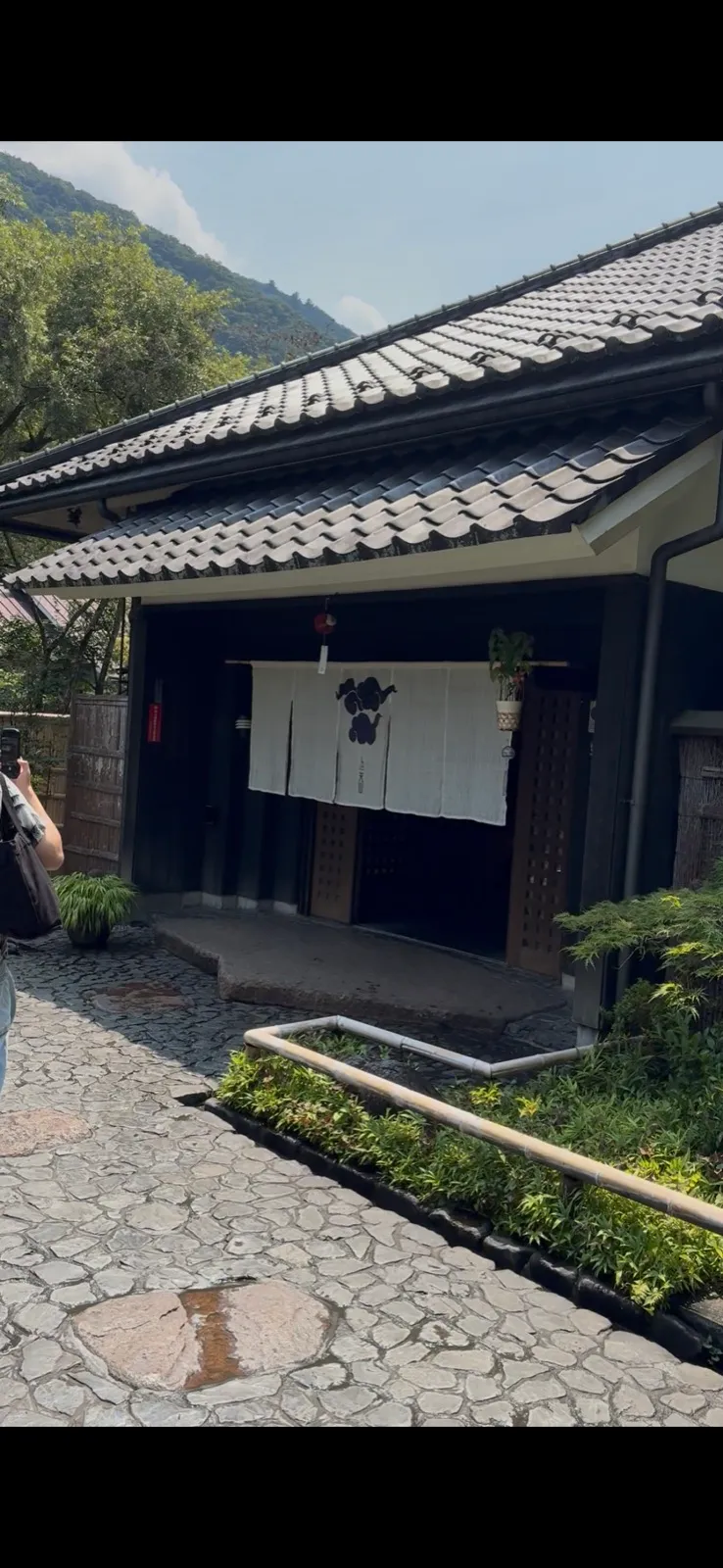
Here's a real Kanagawa example instead of just a stat: Tenzan Onsen in Hakone allows tattoos, but only if you're bathing solo — show up with a tattooed friend and neither of you gets in together. That's what "it depends" actually looks like in practice.
If tattoos matter for your trip, don't guess — check the specific facility, or look for one that says outright it's tattoo-friendly. Cover-up stickers are cheap and easy to find at most drugstores if you want a backup plan.
Neither one wins. A sento is your reset button. An onsen is the reason you build a whole day, or a whole trip, around it. Knowing which is which just means you walk in expecting the right thing.
Quick Tips
- Look for the framed water analysis certificate at the entrance — it's the clearest proof you're at a real onsen
- Sento prices are fixed by prefecture, so there's no need to shop around for a better deal
- Same bathing etiquette applies at both (wash first, no swimsuits, phone stays in the locker) — see my full first-timer's guide if you're new to this
- If tattoos are a concern, check the specific facility rather than assuming based on onsen vs. sento alone
- Bring a small towel, or budget ¥100–300 to rent one — most places offer rentals either way


