
Can a Hot Spring Really Make Your Skin Softer? My Search for Japan's Beauty Water
I'd heard the phrase bijin no yu — beauty water — my whole life without really knowing what it meant. It's something you see at hot springs all over Japan: a sign by the entrance, a line on a brochure. It wasn't until I got certified as an Onsen Sommelier that I actually looked into what makes a beauty water a beauty water — and once I did, I wanted to go test it out for myself.
What Is "Beauty Water," Anyway?
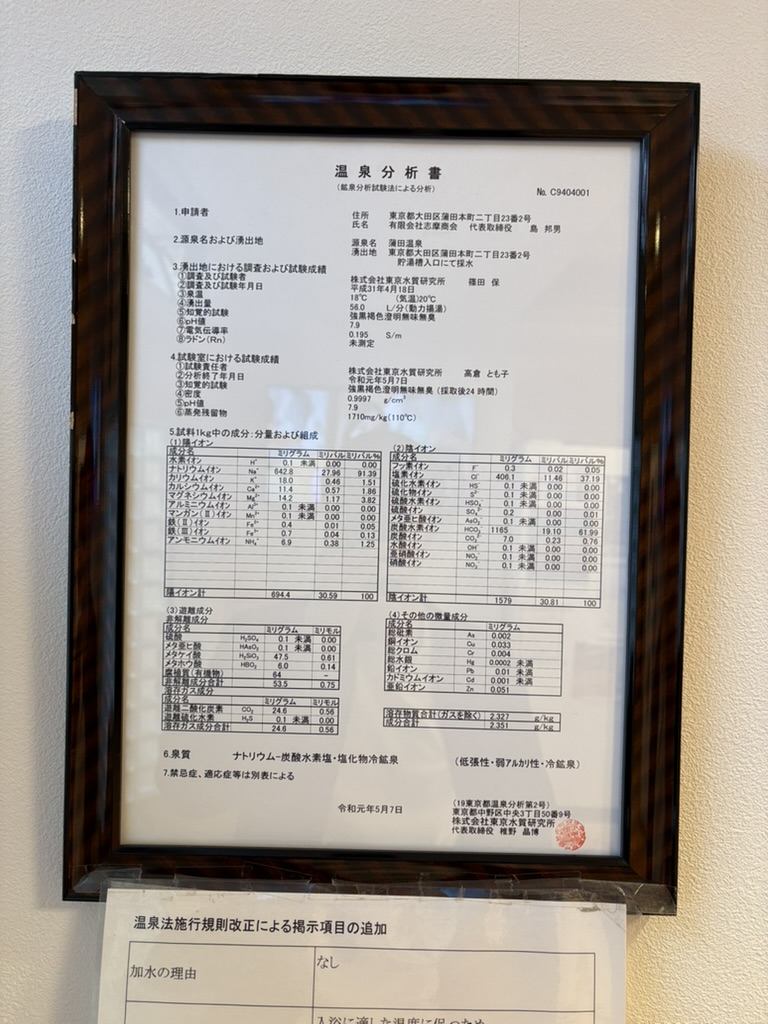
Here's the thing: beauty water isn't an official category. There's no government stamp for it. It's a nickname for springs known for leaving skin feeling smoother after a soak — and the key is pH. Springs with a pH of 7.5 or higher tend to have a slightly slippery, silky feel — the higher the pH, the more noticeable it is. One of the most common types you'll actually run into, especially if you're staying in Tokyo, is black water — locally called kuroyu.
Kamata and Miura-yu are both registered onsen, using real natural mineral spring water. You don't need to leave the city to experience the real thing.
Kamata's Black Water, Tokyo
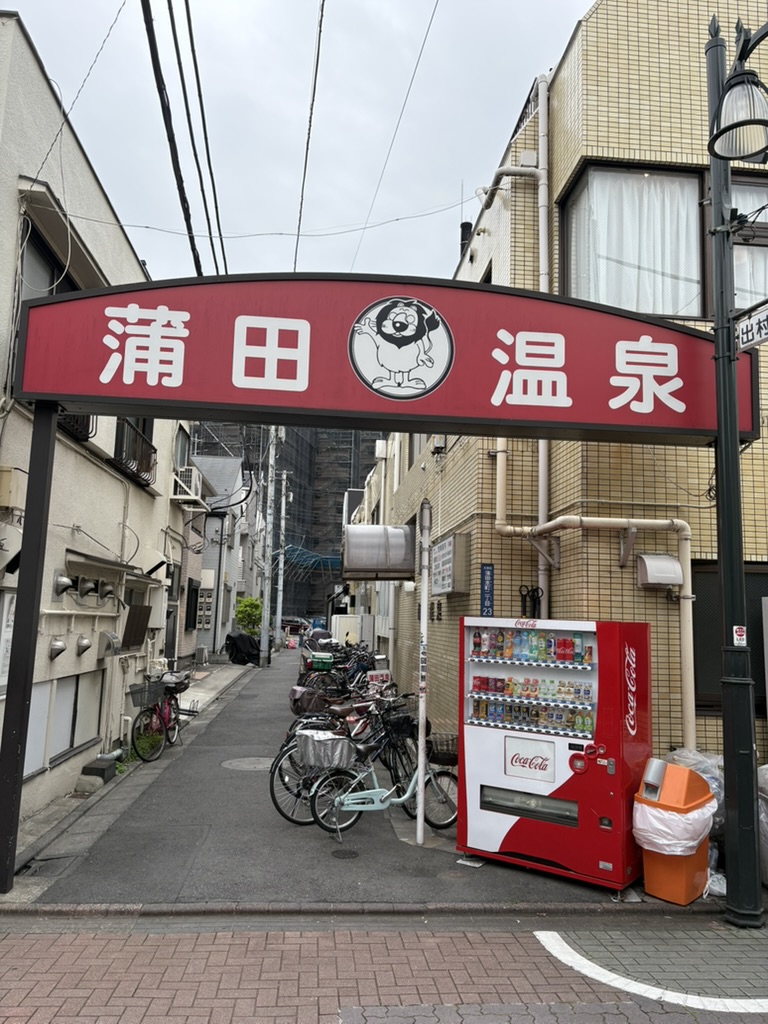
I went to Kamata Onsen in Ota Ward a few months ago. It's an old-school public bathhouse — the kind with a tall red sign out front and a second-floor restaurant serving hot pot rice and grilled noodles. The water there is famously undiluted, straight from the source, and it's some of the darkest black water in an area that's known for black water.
I couldn't handle the hot bath. I got in, and it was genuinely too much — I had to get right back out. The low-temperature bath was still hot, but in a good way, and that's where I ended up spending most of my time. My favorite part, honestly, was the cold black-water bath — going from that intense heat straight into cold, still-black water was the best part of the whole visit. I went on a weekend expecting a crowd and there was barely anyone there. My skin was noticeably smoother by the time I left.
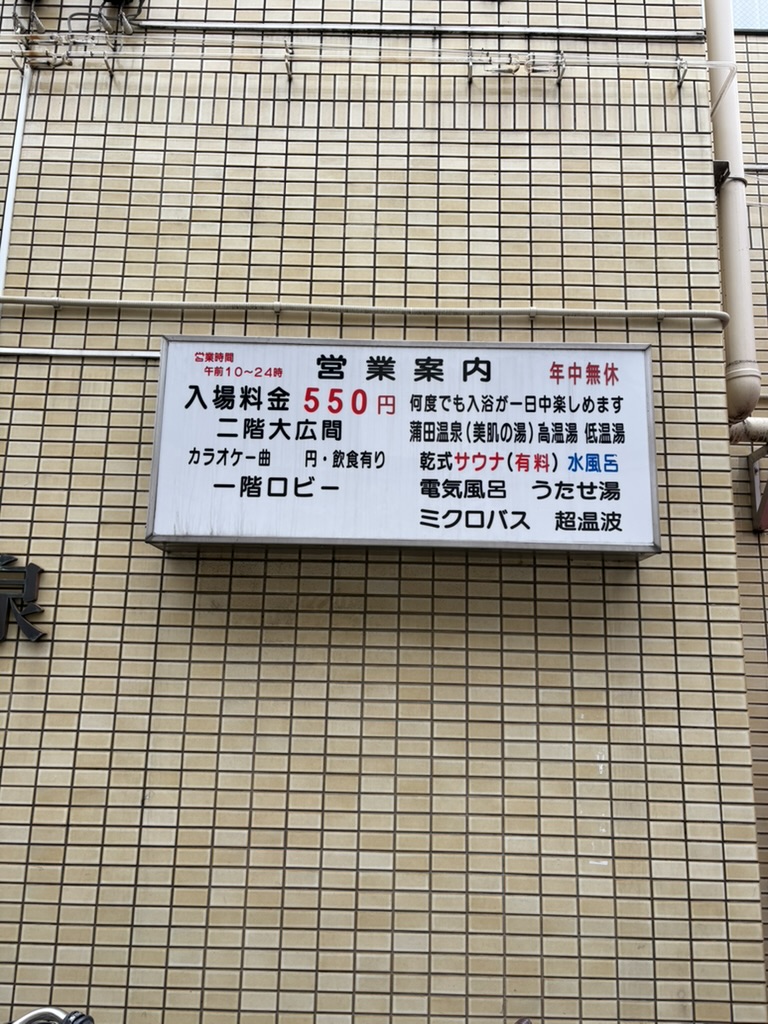
Kamata Onsen is about a 5–10 minute walk from Kamata Station, open 10:00–24:00 with no fixed closing day. Entry is at Tokyo's standard public bath rate (¥550 for adults).
Miura-yu, My Home Onsen in Yokohama
Miura-yu, in Yokohama's Minami Ward near Gumyoji Station, is what I'd call my home onsen — a phrase Japanese bathers use the way sports fans talk about a home ground. It's the place you go back to without thinking: you know the layout, you know the water, you know exactly which bath you're getting into first. I've been going a few times a year for years.
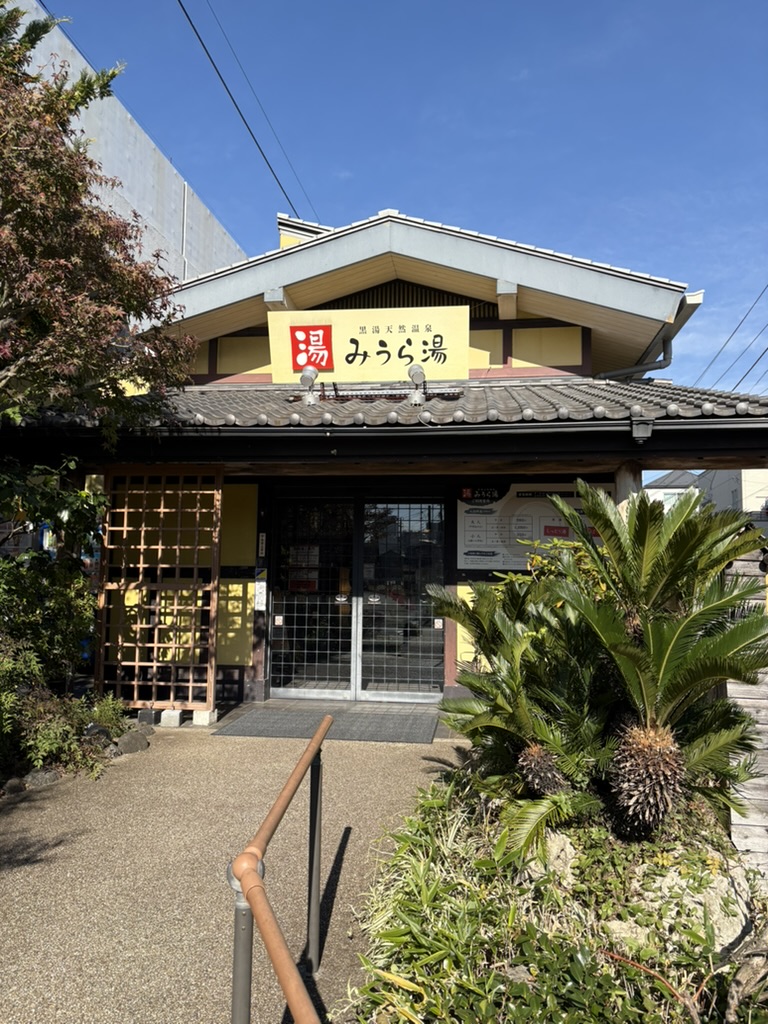
Miura-yu is a bigger, more modern facility than Kamata Onsen — more of a "super sento" with a sauna, body treatments, and a full restaurant. My favorite thing there is the kuroyu tansansen — black water with carbonation added. I'm a sucker for carbonated baths in general, and the combination works. Entry runs ¥980 on weekdays and ¥1,080 on weekends and holidays.
And like any proper home onsen, I have a post-bath routine that never changes: a bottle of strawberry milk and a stack of manga. However good the bath is, that half hour afterward might be the part I'd miss most.
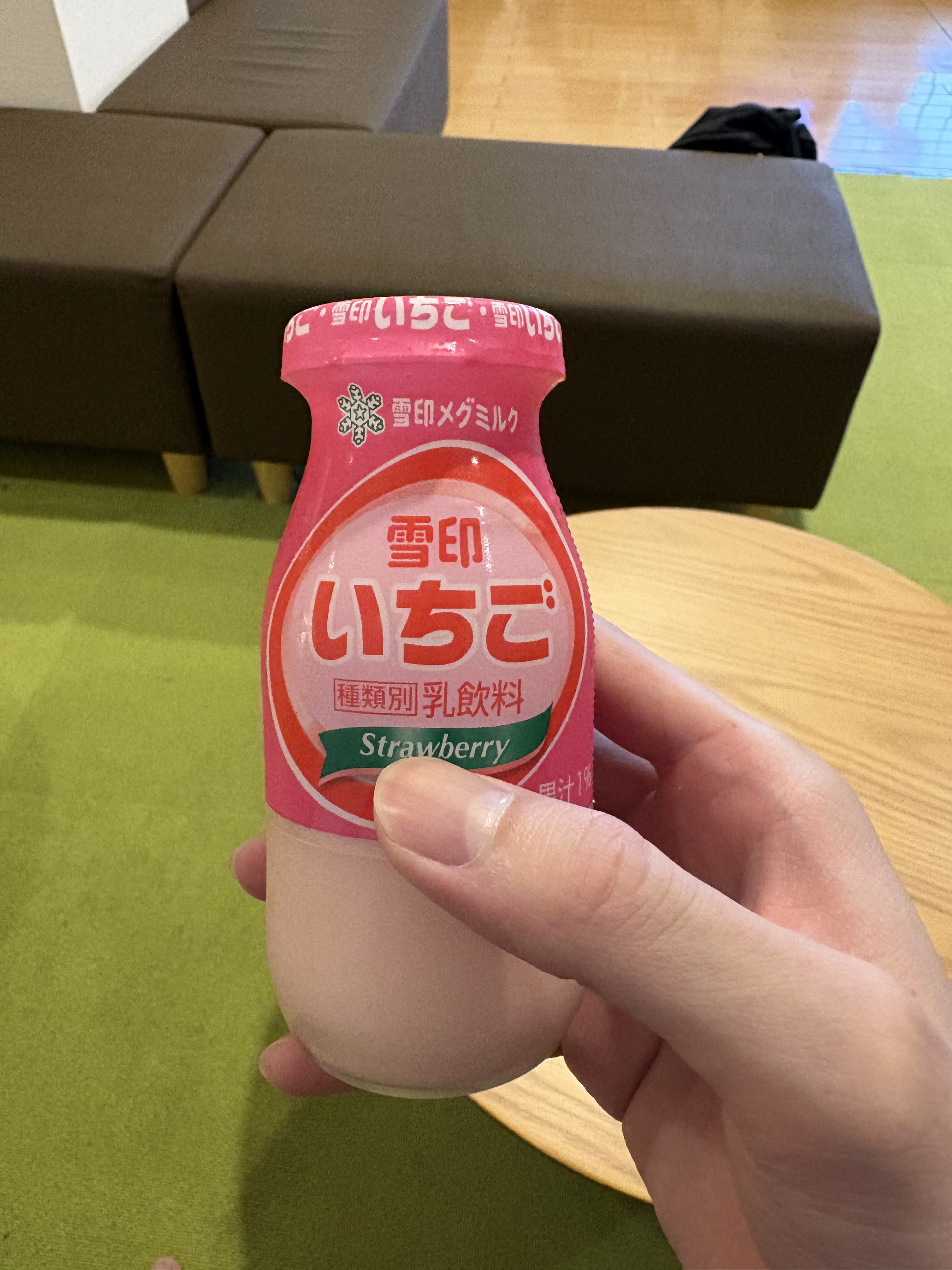
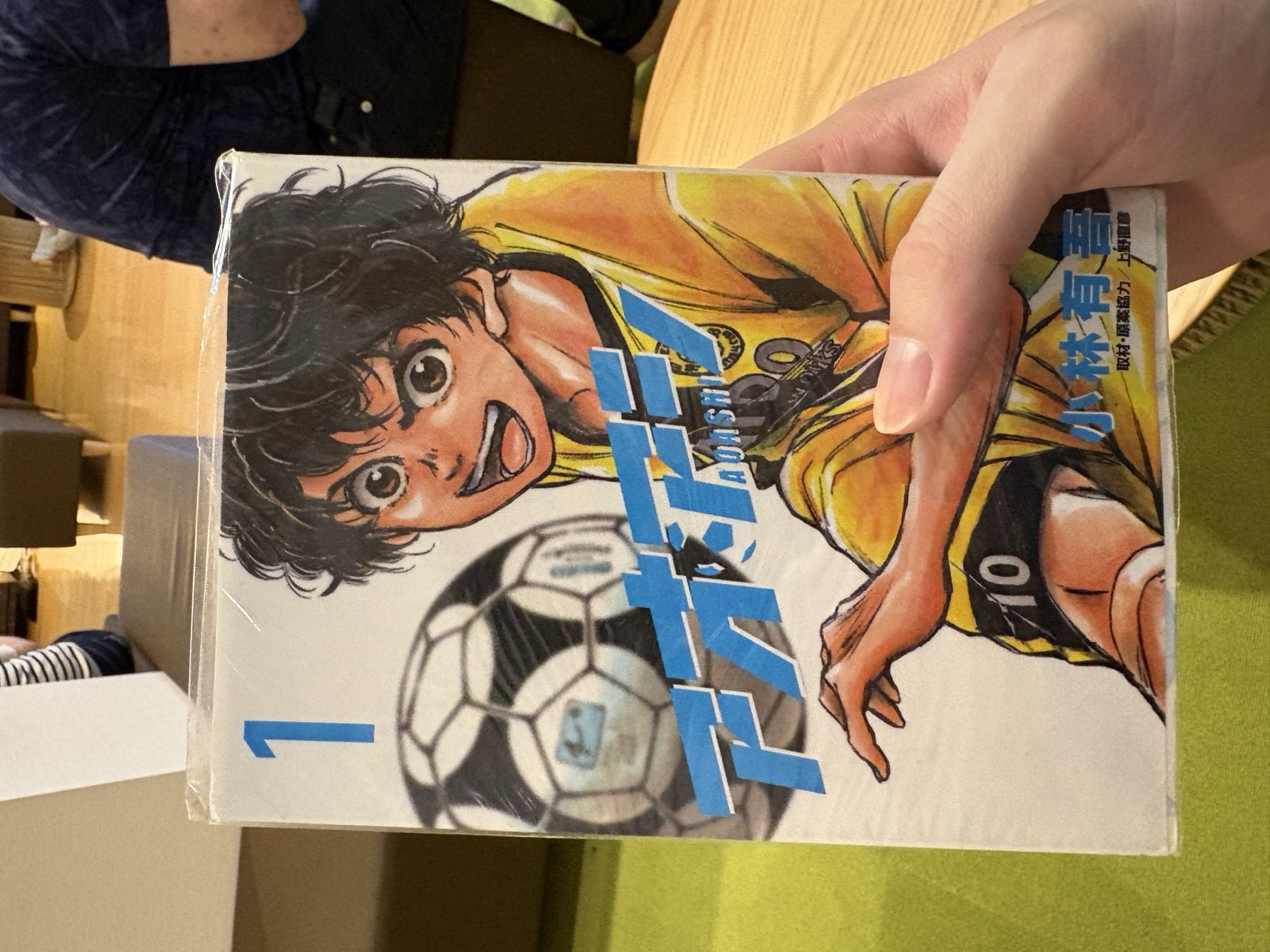
Between the two, Kamata felt more raw and local — an old neighborhood institution. Miura-yu felt more like a proper spa day. Same core idea, different experience entirely.
If you're staying in Tokyo and curious about onsen culture, this is honestly one of the easiest ways to try it — no need to book a ryokan or travel far. And if that gets you curious about going a little deeper into Kanagawa, that's exactly the kind of local spot I build into the itineraries I put together for visitors.
Beyond Black Water — Hakone's Turn Next
Kuroyu isn't the only kind of beauty water in Japan. Just over an hour from Tokyo, Hakone has its own — alkaline waters around Hakone-Yumoto, sulfur springs up near Owakudani, each said to affect the skin differently. Same town, completely different water depending on which part you're in. That's a story for another post.
Quick Tips
- Both places are walk-in, no reservation needed.
- Do kakeyu before getting in — pour a few scoops of water over yourself at the edge of the bath. It's basic bath manners, and it also gives your body a chance to adjust to the heat.
- Neither location requires you to bring your own towel — rentals are available at both.
If you'd like recommendations built around your own trip — including onsen that fit your pace and travel style — I make personalized Kanagawa day trip itineraries for ¥5,000, delivered as a PDF within 7 days. Request yours here →