
A Hakone Day Trip: Soba at Akatsukian and Onsen at Tenzan
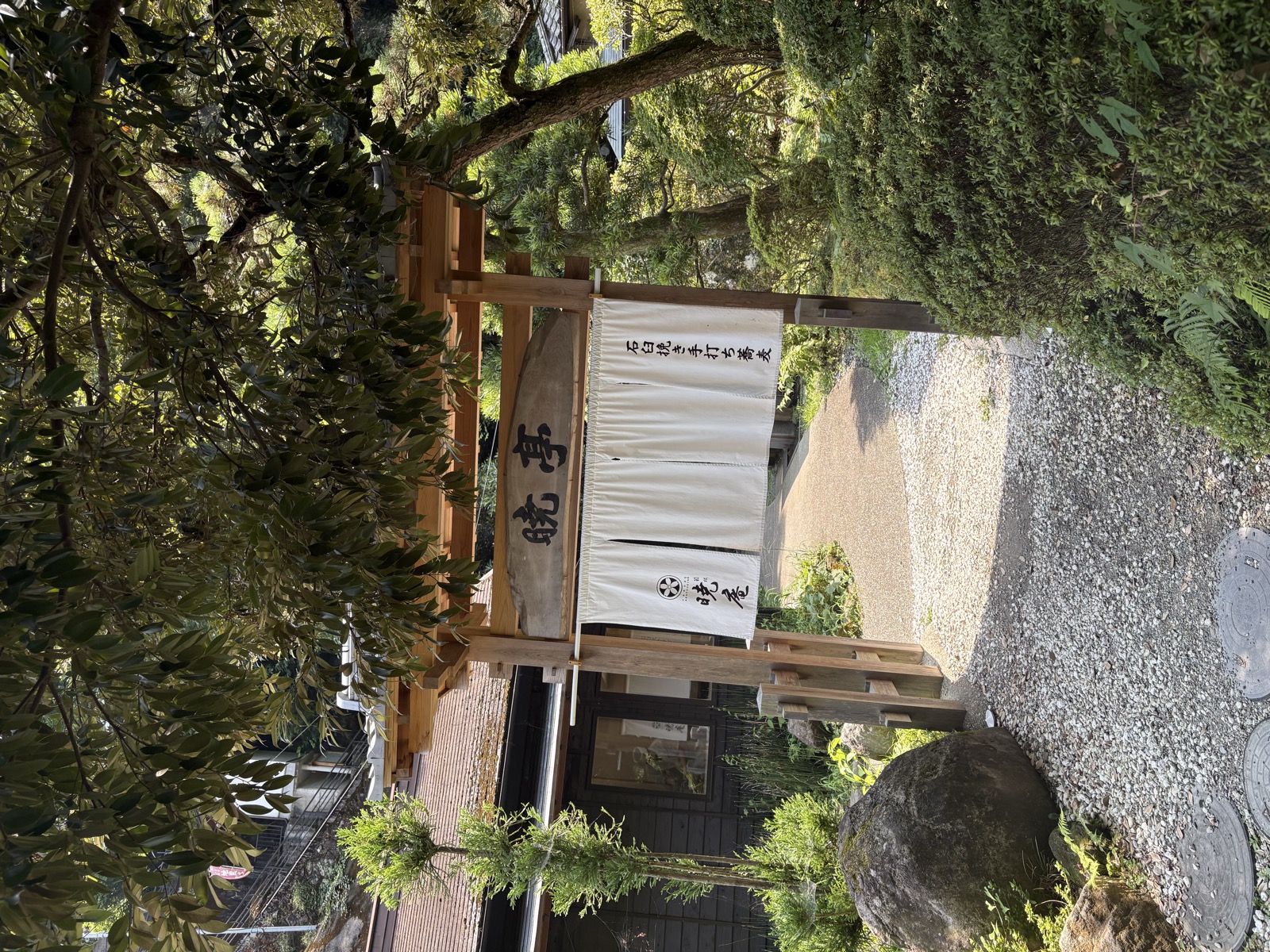
I went to Hakone for the day in August with a friend, driving down from the Yokohama area — soba at Akatsukian, then an afternoon at Tenzan Onsen.
Akatsukian — Bamboo Charcoal Soba in Hakone-Yumoto
Akatsukian has been making soba in Hakone since 1988, trained under a well-known soba master's lineage. The soba flour is stone-ground fresh every morning, and the noodles are made with local Hakone spring water.
We ordered two things:
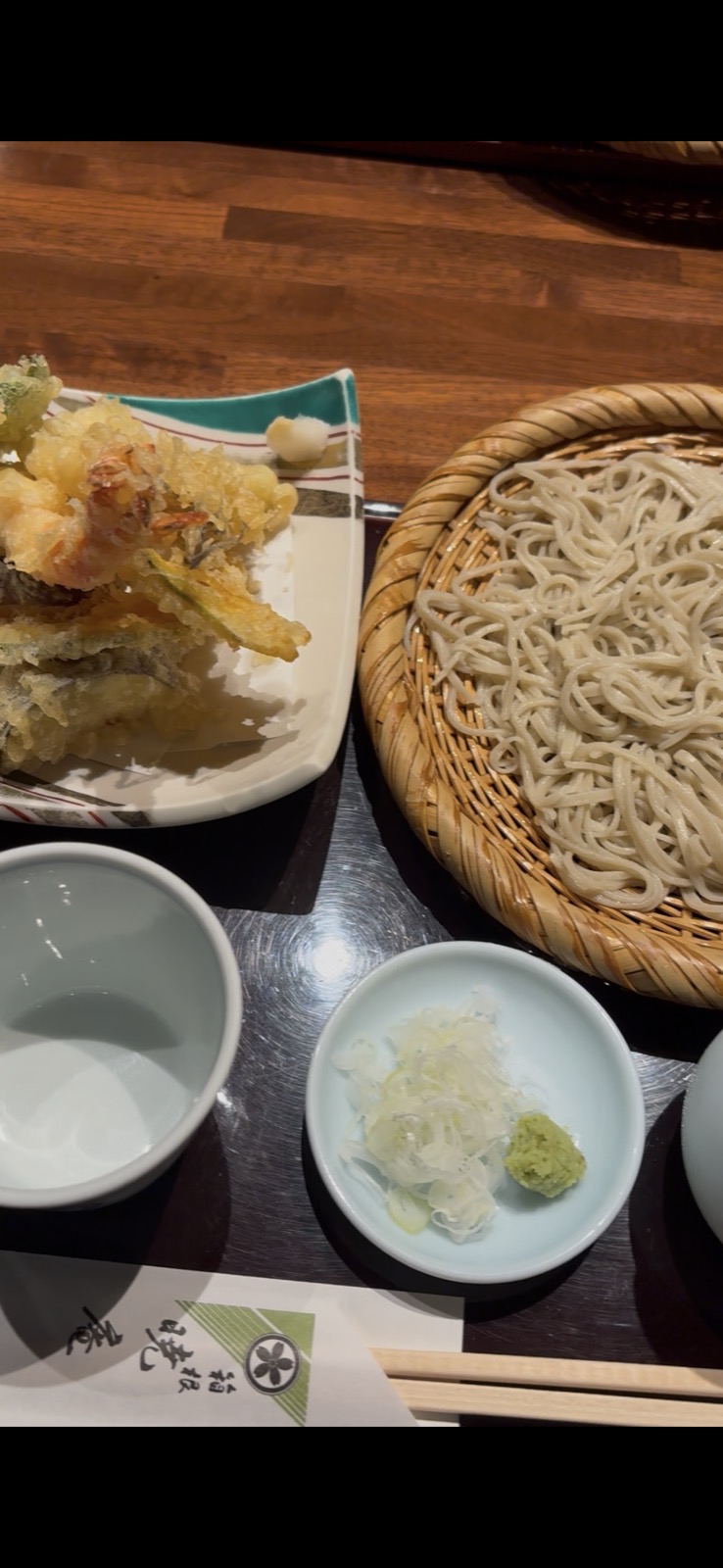
Tempura soba (¥2,400) — the standard way to eat here, with a full tempura assortment on the side.
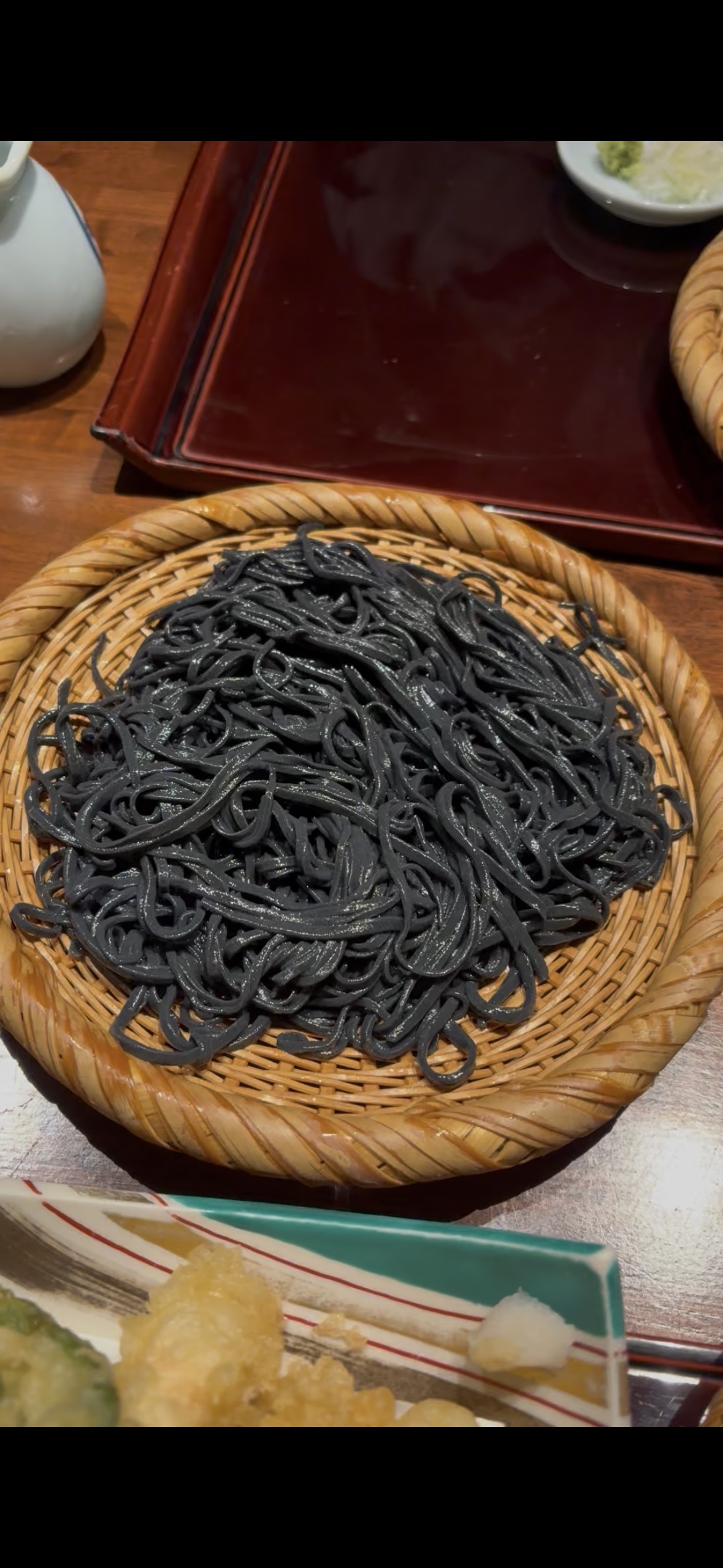
Black soba (¥1,300) — Akatsukian's own original dish, dyed black with bamboo charcoal. The charcoal is naturally mineral-rich, which is the reason behind the color rather than just a visual trick.
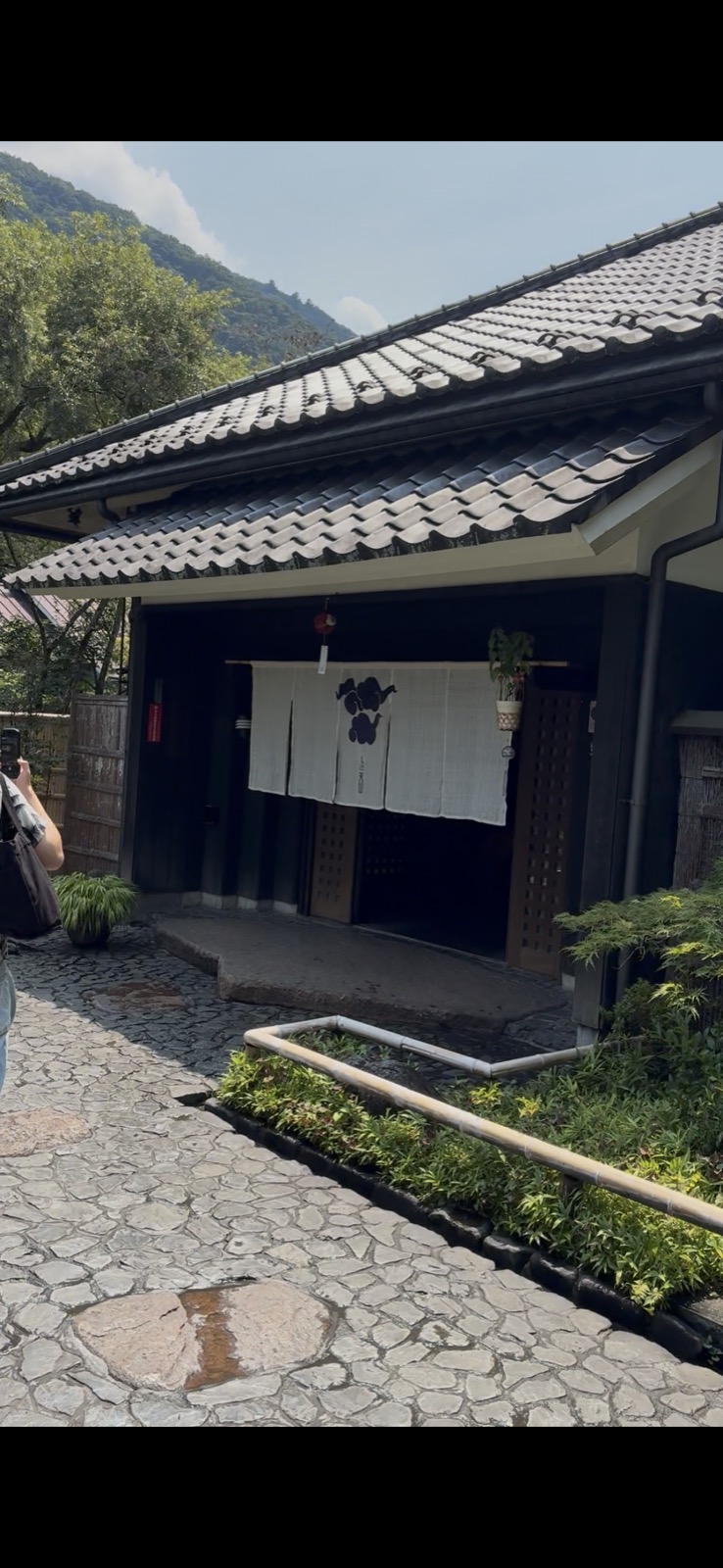
The shop itself is currently operating out of its neighboring building, Akatsukitei, while the main location goes through renovations — worth knowing if you're trying to find it on a map.
Tenzan Onsen — Two Springs, One Reason to Go Out of Your Way
After soba, we headed to Tenzan Onsen (officially Tenzan Toujikyo) for the rest of the afternoon.
What makes the water here different
Tenzan draws from seven of its own hot spring sources on-site, and pipes the water directly to the baths without holding it in a tank first. That matters more than it sounds — water that sits before use starts to oxidize and lose freshness. Tenzan avoids that step entirely.
The source water comes out of the ground at up to 83°C, which is too hot to bathe in directly. Rather than diluting it with tap water — which is common practice at a lot of facilities — Tenzan uses a heat-exchange system to bring the temperature down, and keeps each bath within ±0.1°C of its target temperature. No water is added at any point. What you're bathing in is 100% spring water, just temperature-adjusted.
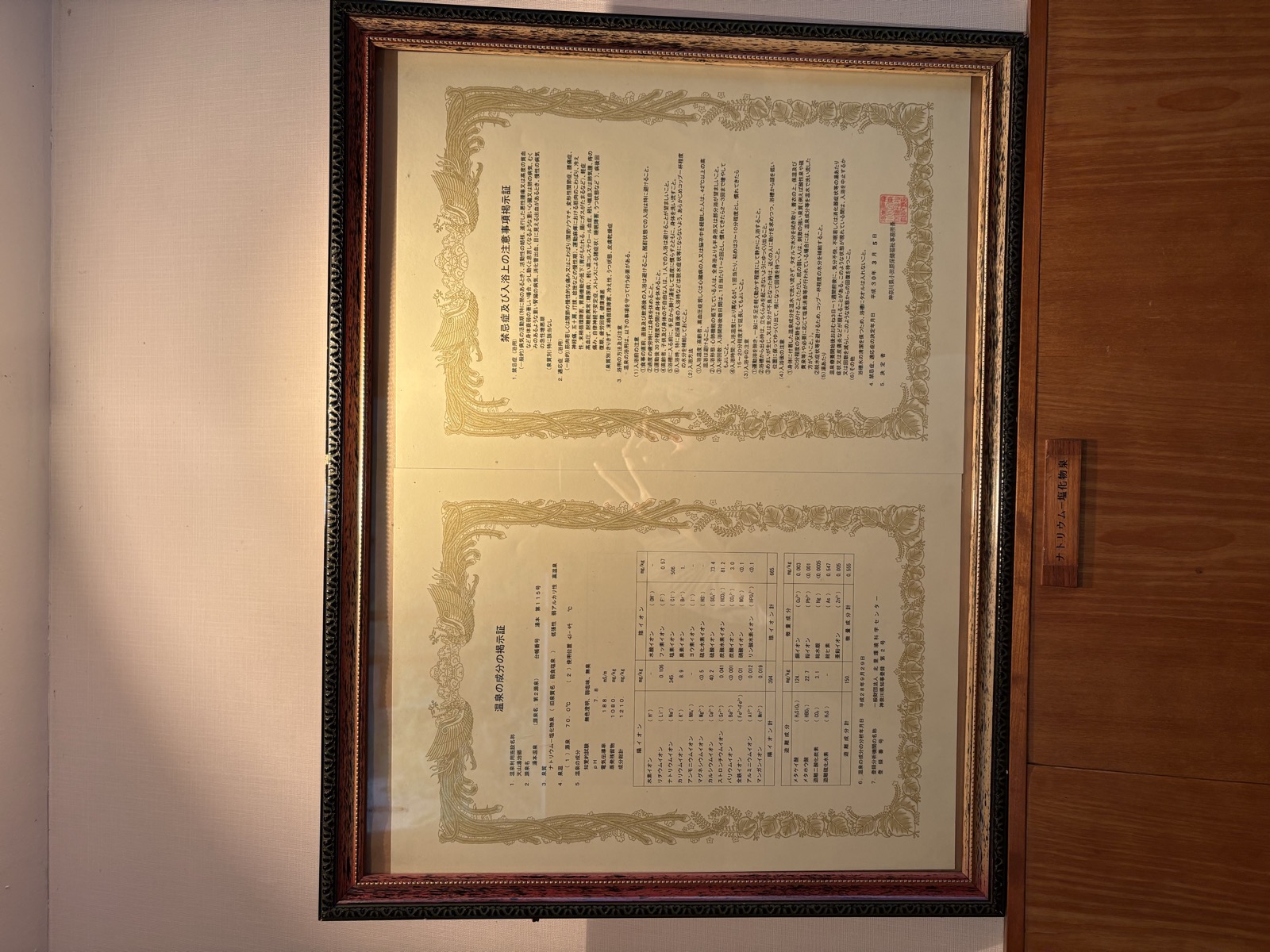
The two spring types
Tenzan has two distinct types of hot spring water, and different baths draw from different ones:
- Alkaline simple spring (pH roughly 8.6–9.7, depending on the specific source) — this is the one associated with the "smooth skin" feeling that alkaline springs are known for. One of the sources feeding this type is actually licensed for drinking, which is rare for an onsen in Japan.
- Sodium chloride spring — this type retains heat in the body after you get out, which is the classic profile for a spring that's good for cold sensitivity and general warmth retention.
Because the two types are split across different baths, you can move between them and feel the difference for yourself, rather than just reading about it on a sign.
Tenzan also runs a ryokan on the same grounds. I haven't stayed there myself yet, but a colleague of mine goes back often and always speaks highly of it — it's on my list for next time.
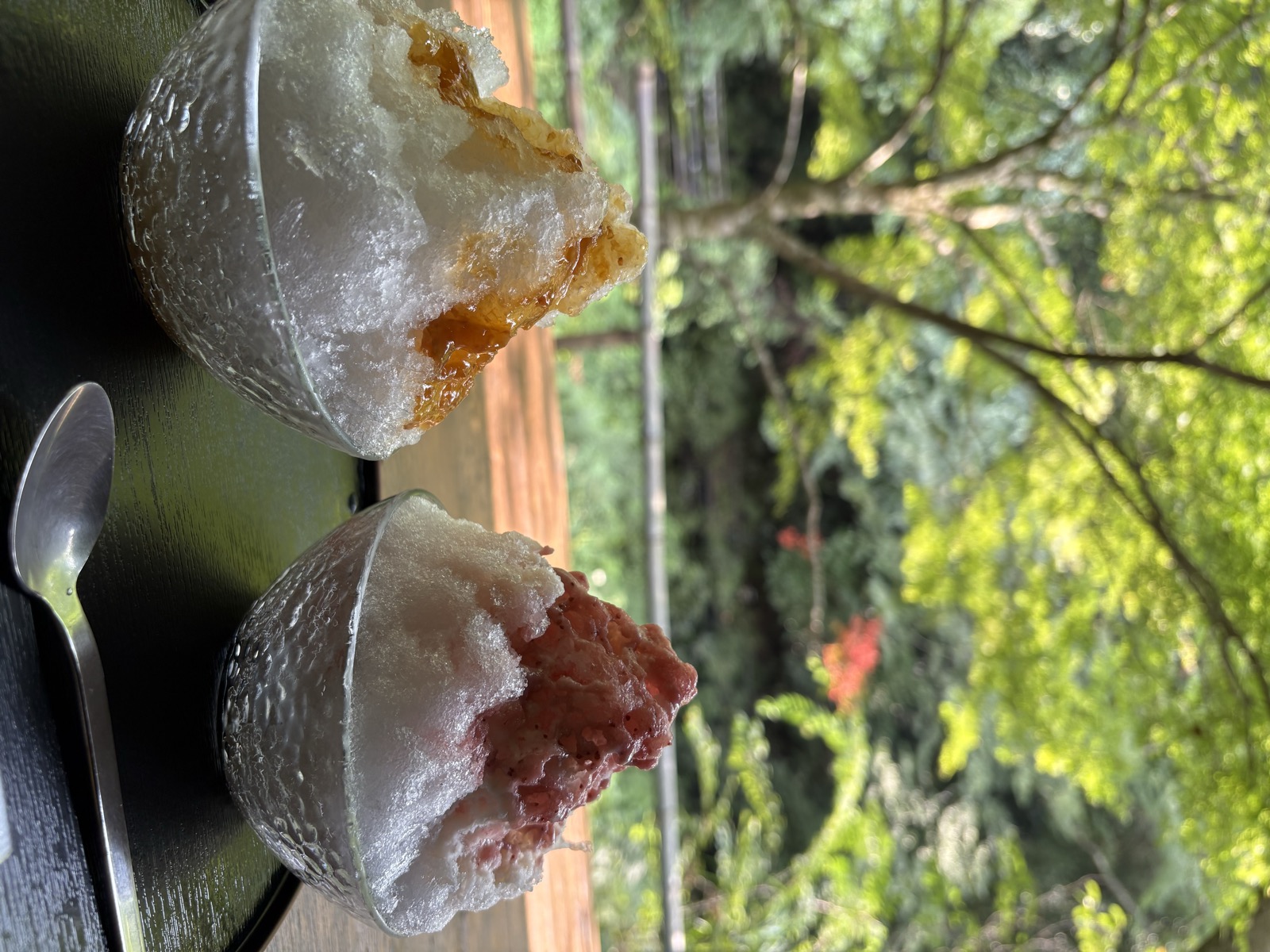
After the bath, we had shaved ice (kakigori) at the on-site rest area — a good way to cool down before the drive back. One of the flavors, Tenzan-ume, is made from plums grown on Tenzan's own grounds and only shows up in summer.
Quick Tips
- Cash: Worth carrying some, especially at Akatsukian.
- Tattoos: Tenzan allows tattoos, but only for solo visitors — if anyone in your group has visible tattoos, you won't be able to enter together.
- Towel: Tenzan sells them at the front desk, but it's easier to bring a small one of your own.