
Yokohama Day Trip from Tokyo: What to See, Eat, and Do
I grew up in Yokohama and lived there for over 20 years. It's technically Japan's second-largest city, but it's only 30 minutes away by train, has incredible food, a beautiful waterfront, and a completely different vibe from Tokyo — more relaxed, more spacious, and surprisingly walkable.
There's a bit of everything here — a massive Chinatown, a beautiful waterfront, quiet hillside neighborhoods with ocean views, and old-school drinking streets. It's the kind of city that surprises people.
Getting There
From Shibuya or Shinagawa, take the JR Tokaido Line or Yokosuka Line to Yokohama Station (about 25-30 minutes, ¥480). From there, the Minato Mirai Line takes you straight to the waterfront area. If you're coming from Shinjuku, the Shonan-Shinjuku Line is a direct option too.
Minato Mirai Waterfront
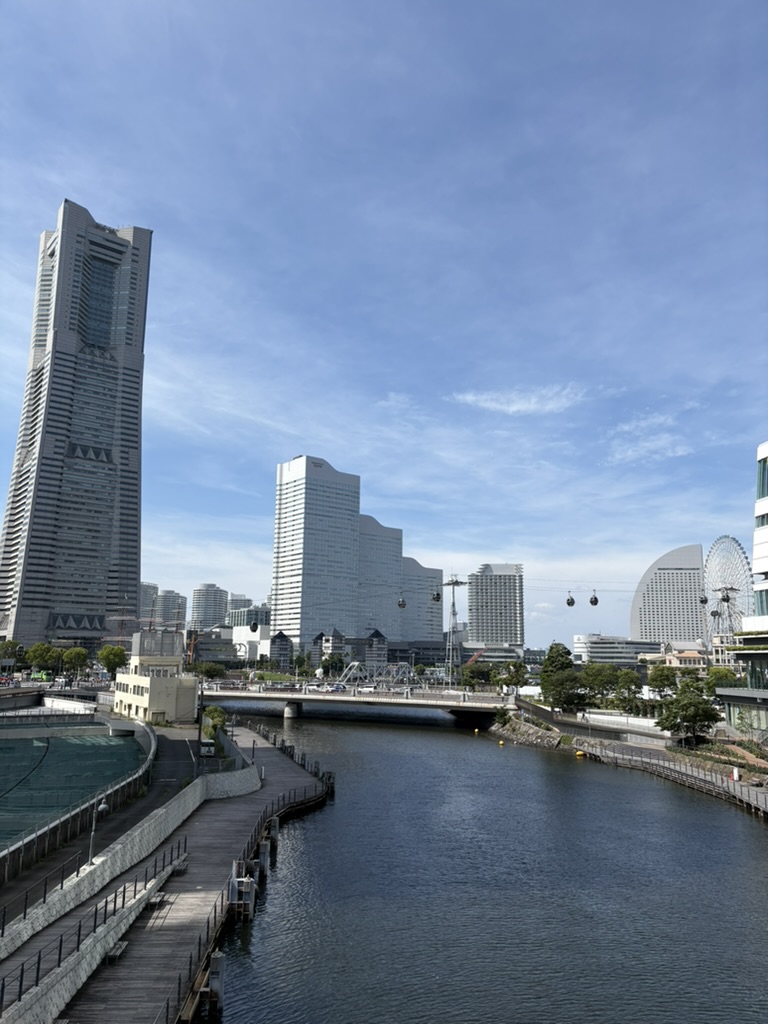
Minato Mirai is Yokohama's iconic harbor district. The skyline here — with the Landmark Tower, the Cosmo Clock Ferris wheel, and the red brick warehouses — is one of the most photogenic spots in the Yokohama area.
- Osanbashi Pier — the international cruise terminal has a rooftop deck with panoramic views of the bay. Free and usually quiet in the morning
- Cup Noodle Museum — more fun than it sounds. You can design your own Cup Noodle with custom flavors
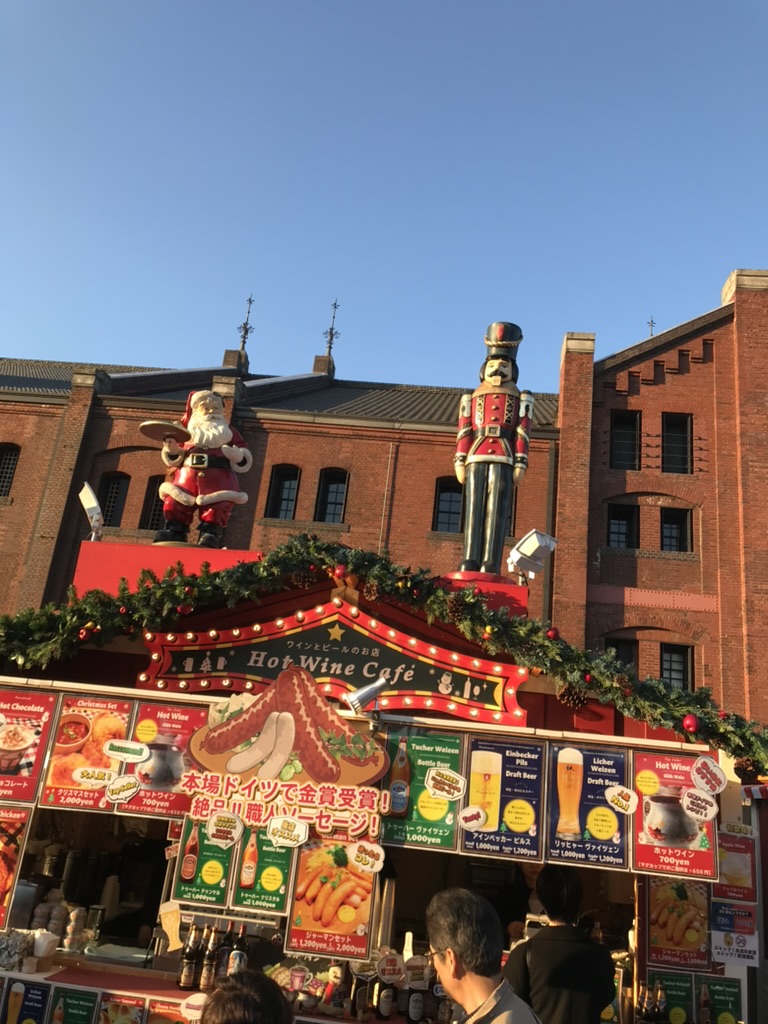
- Red Brick Warehouse (Akarenga) — restored warehouses with shops and cafes. They host seasonal events throughout the year — Oktoberfest, a Christmas market, craft beer fests, and more. Check what's on before you go, because it can be a highlight of the trip
Chinatown
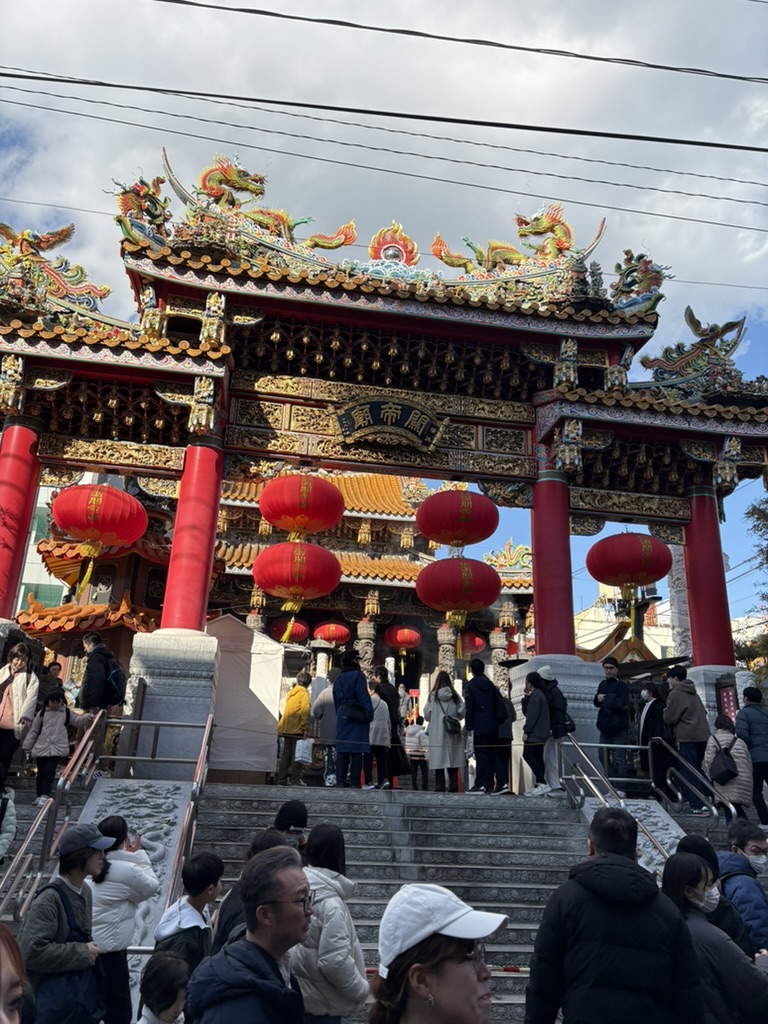
Yokohama Chinatown is the largest in Japan and one of the biggest in the world. It's not just a street — it's an entire neighborhood with over 500 shops and restaurants packed into a few blocks.
The food here is incredible, but it can also be overwhelming. I've been eating here my whole life and there are still places I haven't tried. There are literally hundreds of restaurants and most of them look similar from the outside. The difference between an amazing Chinatown lunch and a mediocre one comes down to knowing exactly which places are worth your time — and that changes depending on whether you want soup dumplings, Peking duck, street food, or a sit-down meal.
After eating, walk through Yamashita Park along the waterfront — a tree-lined promenade with views of the bay.
Motomachi and Yamate
Just south of Chinatown, Motomachi is a charming shopping street with a European feel. The hillside neighborhood of Yamate above it has Western-style historic houses, tree-lined streets, and some of the best views in the city.
This area is one of Yokohama's best-kept secrets for visitors. The view from up on the Yamate bluff is one of the best in the city — and it's something I always include when I'm planning a Yokohama day for someone.
Noge: The Local Side
Noge is an old-school drinking district near Sakuragicho Station, packed with tiny izakayas and standing bars. This is where locals go — no tourists, just good food and cheap drinks. Most places are cash-only and don't have English menus, but that's part of the charm.
This was my neighborhood for years. The way we do it is hop between a few different izakayas — yakitori at one place, fried food at the next, maybe finish with ramen. Each spot is small so you don't stay long, and that's the fun of it.
Want a Personalized Guide?
There's a lot more to Yokohama than what fits in a blog post. If you want specific recommendations tailored to your trip, I make personalized day trip itineraries — built by someone who grew up here.
Quick Tips
- Yokohama is very walkable — you can cover Minato Mirai, Chinatown, and Yamashita Park on foot
- Get an IC card (Suica or Pasmo) if you don't have one — it works on all trains and buses
- Weekends in Chinatown get extremely crowded, especially around lunch
- The Yokohama night skyline from Osanbashi Pier is stunning if you can stay until dark
- Combine with a Kamakura trip if you have two days — they're on the same train line