
Best Ramen in Yokohama: A Local's Guide to Three Styles Worth Knowing
Yokohama has a strong ramen identity — iekei, the rich tonkotsu-soy style born here in the 1970s, is genuinely worth trying. But the city's ramen scene is broader than that.
I grew up in Kanagawa, and over the years I've settled on three shops I keep coming back to. Different styles, different neighbourhoods, different reasons to go.
Sankoen — The Tanmen I've Been Eating My Whole Life
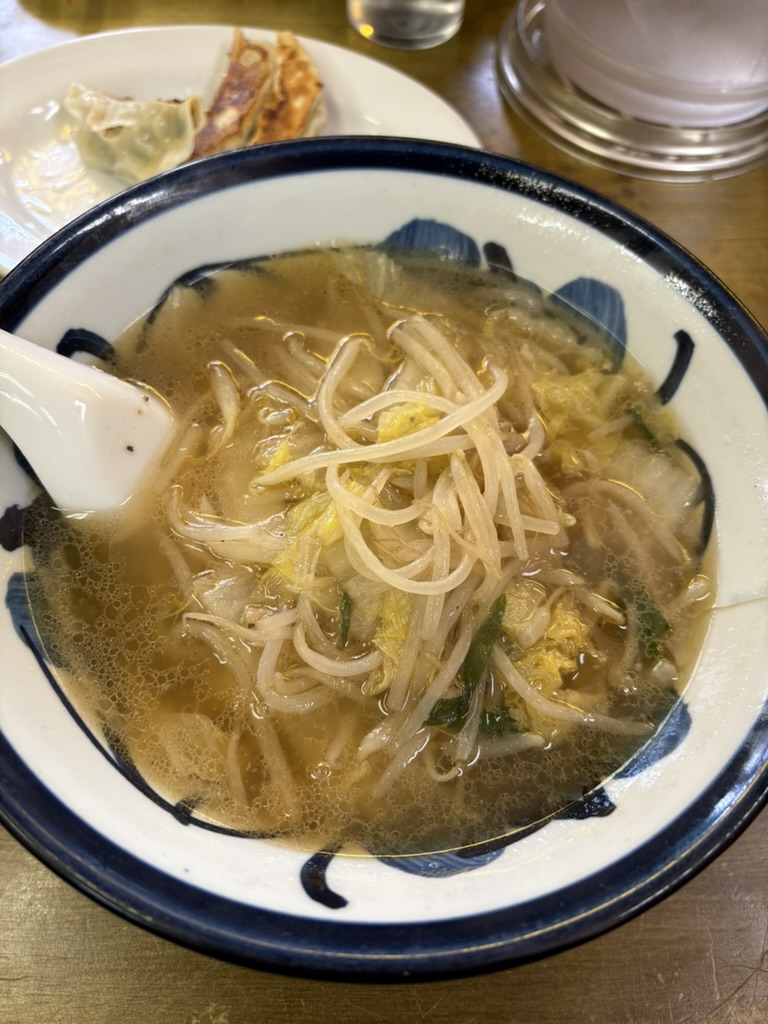
There's a style of ramen called tanmen that doesn't get much attention outside of Japan. It's a light, salt-based broth loaded with stir-fried vegetables — simpler than tonkotsu, cleaner than miso. It's not flashy, which is probably why it gets overlooked.
Sankoen is where my family used to eat it. We'd walk in, sit down, and order without looking at the menu: tanmen and gyoza. Every time.
What makes it memorable is the house-made chili oil (rayu). Most ramen shops use a store-bought version. Sankoen's is different — a little deeper in flavor, with just enough heat to make both the tanmen and the gyoza taste better. It's the kind of small detail that shows a kitchen is paying attention.
If you've never tried tanmen before, this is a good place to start. It's lighter than you might expect, and the gyoza alongside it is the right call.
Kawanosaki no Ue — A Shoyu Ramen That Doesn't Need to Explain Itself
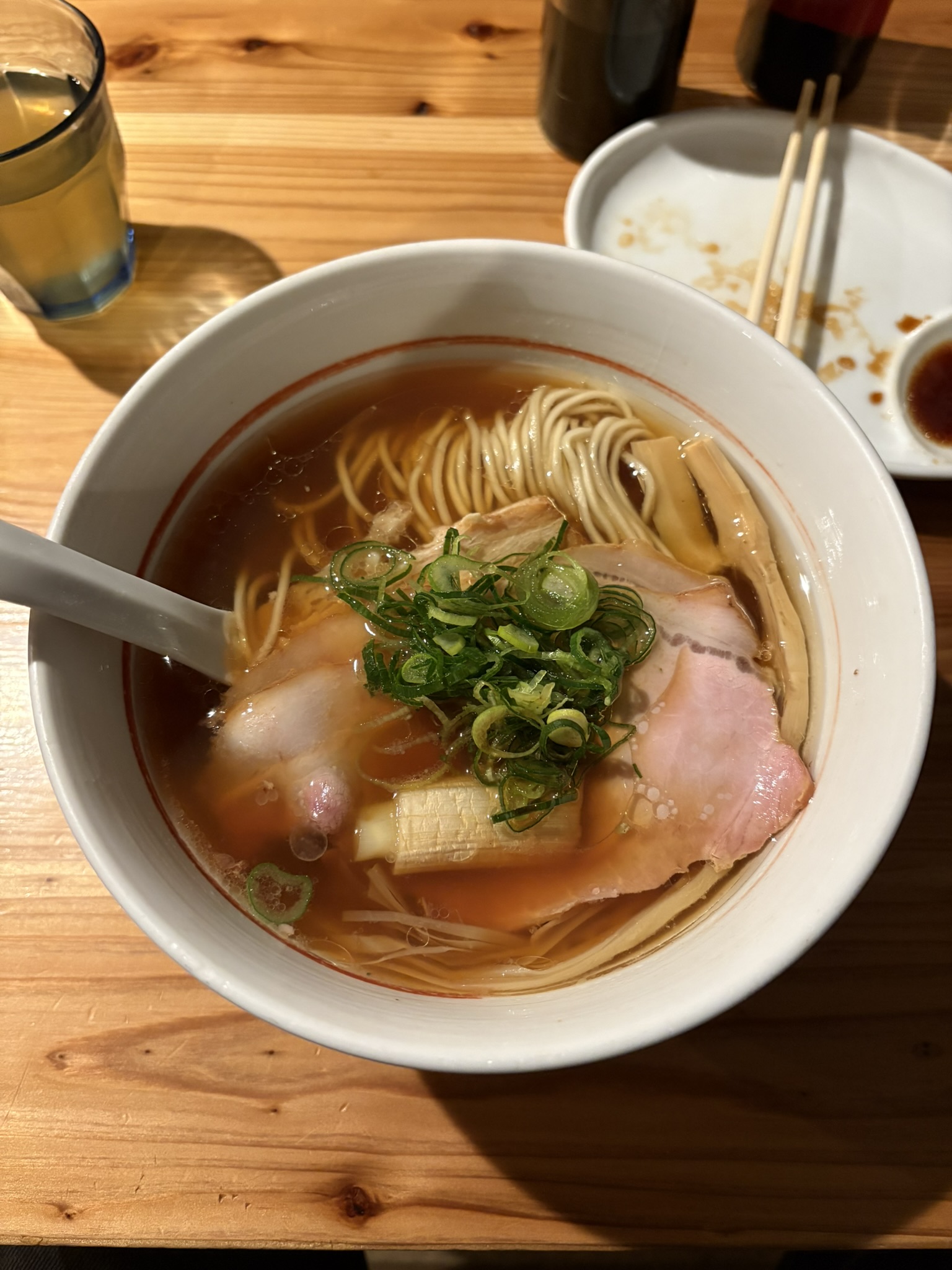
Shoyu (soy sauce) ramen is the oldest style in Japan — simpler than tonkotsu, less trendy than tsukemen. It's the kind of ramen that's easy to overlook on a food tour, but hard to forget when you find a bowl done well.
Kawanosaki no Ue does it well. The broth is clear, soy-forward, and quietly complex. Nothing loud, nothing unnecessary. Just a very good bowl of shoyu ramen.
Sometimes simple is the best. And unlike iekei, shoyu ramen is light enough to fit any situation — whether it's lunch before a full afternoon, or a bowl you just feel like having without committing to something heavy.
Sugitaya — Iekei Done Right
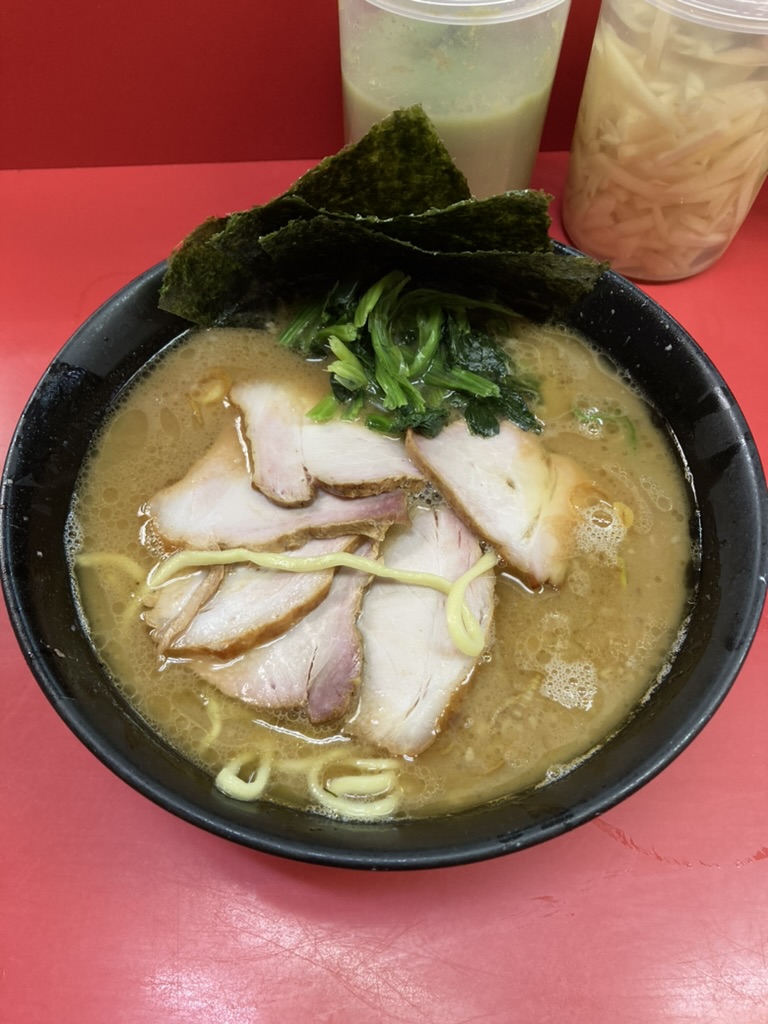
If you're going to try iekei ramen in Yokohama, you should understand what it is first.
Iekei is a Yokohama invention — a tonkotsu (pork bone) broth combined with soy sauce, served with thick straight noodles and topped with spinach, nori, and a soft-boiled egg. It's rich, deeply savory, and filling in a way that other ramen styles aren't. The style was born here in the 1970s, and it's been a staple ever since.
I've eaten at a lot of iekei shops. Sugitaya is the one I keep going back to.
The broth is the main reason — bold but not overwhelming, with that characteristic richness that makes good iekei hard to stop eating. But what stands out here is the chashu. At a lot of iekei places, the pork slices are an afterthought. At Sugitaya, the chashu is thick, well-seasoned, and genuinely meaty — the kind where you notice it's there.
There's often a line, especially on weekends. It's worth it.
Planning a Ramen Day in Yokohama?
If you're building a day around food in Yokohama — which is a completely reasonable thing to do — it helps to know the area before you go.
I create personalized Yokohama day trip itineraries for visitors who want to eat well without spending hours researching. Each itinerary is tailored to your interests, pace, and dietary needs, delivered as a PDF within 7 days. Request yours here →
Quick Tips
- Tanmen is a lighter, vegetable-forward ramen style — good if you find tonkotsu too heavy
- Iekei ramen is Yokohama's signature style: rich pork-soy broth, thick noodles. Most shops let you customize richness, noodle firmness, and oil level — when in doubt, ask for futsu (standard) across all three
- Cash only is common at smaller ramen shops — bring yen
- Lunchtime lines are real at popular spots, especially on weekends. Arriving right when they open (typically 11:00–11:30) or after 13:30 helps
- Ramen is a solo dish in Japan — don't be put off by counter-only seating. It's normal, and the food is the same